Sudden ecological phenomenon of sufficient magnitude to require external assistance
World Health Organization
The whole world cries for help. Soothing anthems sung and donations overflow. Quite naturally the voices of the unfortunate flood the ear of the generous and words are often put in action. Disasters are not over-rated. Lives lost unbearably regardless of race and social standards. One may ask, how possible is it to cheat death in a situation like this. Let us not play god as the unknown rest in the Almighty.
As health care providers, there are certain things that falls into our responsibility. Let us start by understanding the phases of disaster first:


HAZARD: It simply means a chance to be injured or hurt. In this context of discussion, we will focus of natural disaster hazards that may cause harm once the event or disaster strikes. They are called “Geohazards”. “
Geohazard is a term that includes geological hazards like landslides and volcanoes, hydrometeorological hazards like floods and freak tides, and geophysical hazards like earthquakes. Any Earth process that poses risk to human life can be said to be a geohazard, ranging in scope from local events (such as small rockfalls) to global geophysical events that can threaten the existence of our entire species, like major asteroid impacts and supervolcanic eruptions.
EVENT: It is the occurrence of natural event, due to the hazards and risk present at that area.
 IMPACT: Disasters, whether natural or human-made, often leave people affected to face difficult times due to loss of lives, property and also emotional stability. For example, due to catastrophic events such as floods, volcano eruptions, fires, droughts and blizzards. It is how the event caused the effect to the people involved.
 DAMAGE: It means harm or injury to property or a person, resulting in loss of value or the impairment of usefulness. The damage can often be reduced when the community have the resilient to absorb the impact.
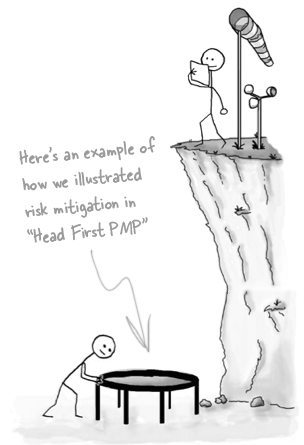 MITIGATION: Mitigation efforts attempt to prevent hazards from developing into disasters altogether, or to reduce the effects of disasters when they occur. The mitigation phase differs from the other phases because it focuses on long-term measures for reducing or eliminating risk.
PREPAREDNESS: Preparedness is a continuous cycle of planning, organizing, training, equipping, exercising, evaluation and improvement activities to ensure effective coordination and the enhancement of capabilities to prevent, protect against, respond to, recover from, and mitigate the effects of natural disasters, acts of terrorism, and other man-made disasters.
RESPONSE: The response phase includes the mobilization of the necessary emergency services and first responders in the disaster area.
RECOVERY: The aim of the recovery phase is to restore the affected area to its previous state. It differs from the response phase in its focus; recovery efforts are concerned with issues and decisions that must be made after immediate needs are addressed. Recovery efforts are primarily concerned with actions that involve rebuilding destroyed property, re-employment, and the repair of other essential infrastructure.
In the future, when we became general practitioners, we have to bear in mind that our roles is not limited to only during the response phase when there is an overflow of victims to the hospital, but indeed from mitigation and preparedness up until recovery and social mobilization of the community.
For example, experiences indeed are our best teachers. When a certain disaster strikes an area, the next time the hazards occur we should prepare all the equipments and materials necessary to deal with the event that might arise from the increasing risks. By abiding and realizing our roles, disaster management can be practised to its highest objective and potential.
References:
- Conceptual framework of disaster and disaster management: Dr. Hendro's lecture
- World Health Organization
- www.yearofplanetearth.com


0 comments:
Post a Comment