Most people with major chronic illnesses such as diabetes, asthma, and depression receive care from primary care health providers. Primary care is the provision of integrated, accessible health care services by clinicians who are accountable for addressing a large majority of personal health care needs, developing a sustained partnership with patients and practicing within the context of family and community.

In practice, these defining features of primary care, that is, continuity, comprehensiveness, and coordination match the care needs of chronically ill persons. The complexity of chronic illness and the frequent involvement of more than one caregiver and institution make coordination a cornerstone of high-quality medical care.
Chronic disease management refers to discrete programs directed at reducing costs, which would be increased due to the terms of treatment, and improving outcomes for patients with particular conditions. The components of chronic disease management consists of:
- Features of general community
- The health care system
- The performance of the institution (organizational systems, division of labor, team work and communication)
Why Primary Health Care should manage chronic diseases?
1. Chronic diseases may have a range of severity from less severe to very severe. For example, Diabetes Mellitus and arthritis. PHC(s) will have a role in managing the less severe ones as well as the symptomatic managements.
2. Pharmacological regiments used in treating chronic diseases are widely used. It is mostly common and non-toxis, thus PHC(s) can definitely play a part in distributing these drugs and managing these patients.
3. Usually the patients with chronic illness have more than one condition. PHC doctors can play a part in catering the service for patients with their general training. This will also ensure a hollistic approach in managing patients can be brought to the table.
4. The PHC(s) have more training in community behavioral change and attitude management support. This is seen rather fit with the community's need and demands.
***
There is a common misconception that primary health providers to provide acute care and remain that way despite the increase of major chronic diseases. Since then it has fallen short on performance and also at the perspective of the patients. Lack of physicians and also the long time of interaction may be some of the factors that influenced the drawbacks of chronic care management in primary health care centers.
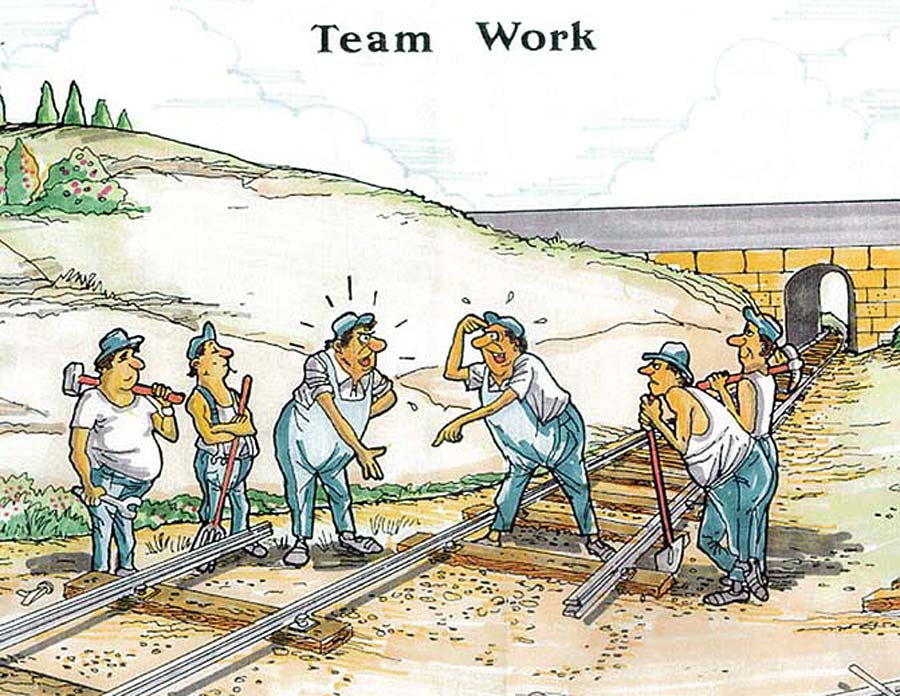
Uniform perception among the team members of the primary health care centers regarding the role and function of the center to provide care for chronic diseases will help in omitting the misconception. This is because according to Eccles et al. (2009), perception of health care workers about chronic disease management is one of the most important parameter in primary care to serve patients with chronic diseases.
References:
1. Tutorial week 4 discussion
2. Lecture 15: Regulating Physicians and Services.
3. Chronic Illness Management: What Is the Role of Primary Care? by Arlyss Anderson Rothman (Ph.D)


0 comments:
Post a Comment